
You and your partner just compared innocence test scores, and now one of you is staring at a number that feels bigger or smaller than expected. Before that gap turns into an argument or gets brushed off with a nervous laugh it’s worth understanding what a score difference actually tells you and what it doesn’t.
(New to the test itself? Here’s the full Innocence Test breakdown: what the 100 questions cover, how scoring works, and what each range means.
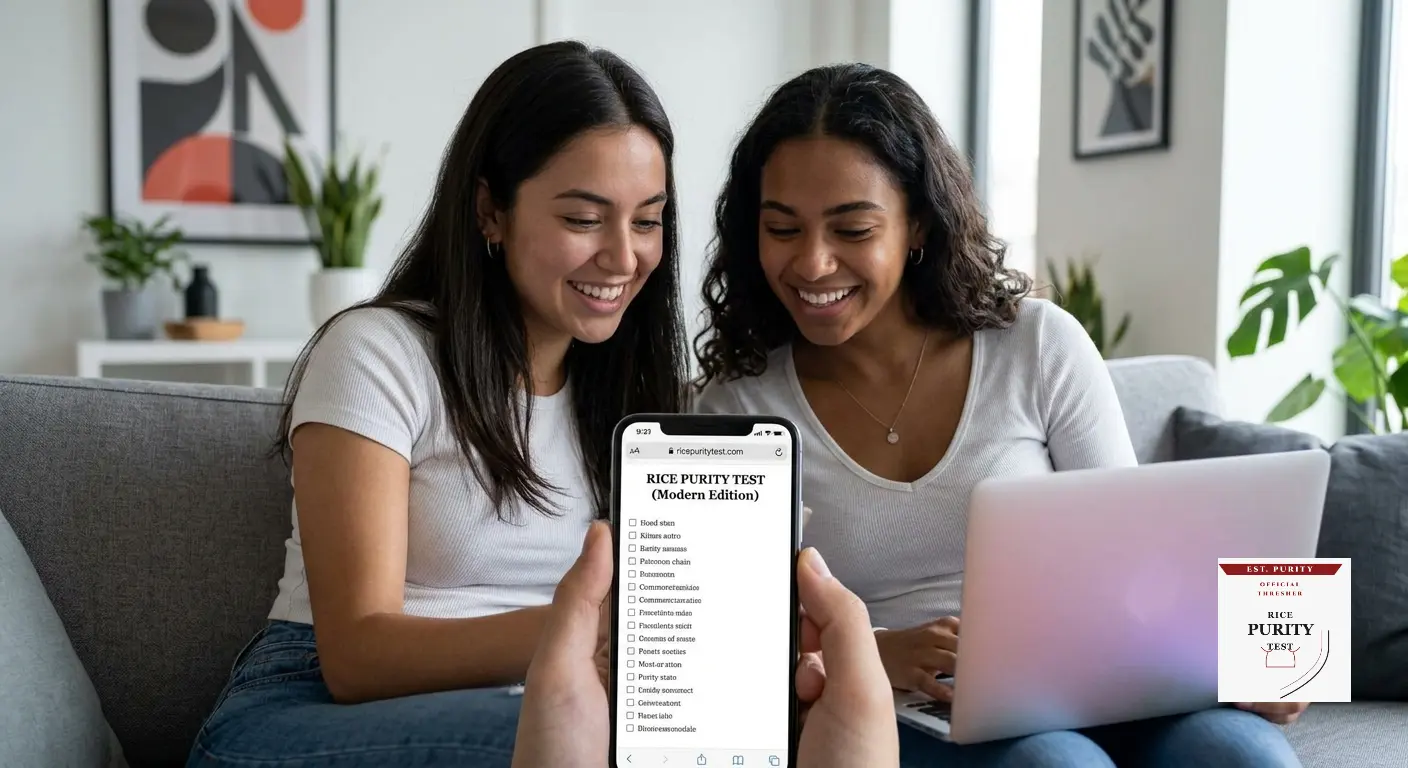
How to Take the Innocence Test as a Couple
There are two ways couples usually do this, and one produces far more honest results than the other:
- Separately, then compare — each partner answers privately, without seeing the other’s screen, and reveals scores afterward
- Side by side — both take it in the same room, sometimes glancing at each other’s answers in real time
Separately-then-compare is the better approach. When partners can see each other’s screen mid-quiz, answers start bending toward what looks acceptable to the person sitting next to you which defeats the point of taking it at all.
What a Score Gap Actually Means
A meaningful gap between partners is common, and it’s rarely the crisis it feels like in the first ten minutes. The number reflects reported life experience up to this point not compatibility, not faithfulness, and not how safe or connected you feel with each other now.
A wide gap usually comes down to one of a few ordinary things: an age difference, more or fewer past relationships, or simply different social circles growing up. None of that predicts how well two specific people communicate, argue, or support each other today.
Different Past vs. Different Values
This is the distinction that actually matters, and it’s easy to blur in the moment.
- Different past — you dated more people, tried more things, or grew up in a different environment before you met
- Different values — you disagree, right now, about what’s okay in the relationship you’re actually in
A score gap only ever shows you the first one. Treating it like evidence of the second is where most of the post-quiz tension comes from.
How to Talk About It Without Turning Into a Fight
- Ask what surprised your partner about your answers, instead of defending your own
- Give the conversation more time than the quiz gave it ten minutes of context beats a number every time
- Stay curious about specific answers rather than fixating on the total score
- If the gap keeps resurfacing as tension rather than curiosity, that’s worth a calmer, longer conversation, not another quiz
When the Quiz Format Stops Being Enough
If comparing scores opened a real conversation you want to keep having, a guided tool built for that purpose, a structured couple’s journal or a conversation-card deck designed by relationship therapists tends to hold up better than a viral quiz built for a fifteen-second video. Those formats ask fewer questions but sit with each one longer, which is usually where the real disclosure happens anyway.
Couple Innocence Test Results: What Actually Matters After the Score
Comparing innocence test scores as a couple is a fun, low-stakes way to open a conversation about experience and honesty nothing more. The number disappears the moment you close the tab. What you do with the conversation it started is the part actually worth keeping.
Frequently Asked Questions
Should couples take the innocence test together or separately?
Separately first, then compare. Taking it side by side, where partners can see each other’s answers in real time, tends to soften honest responses toward whatever looks acceptable to the person next to you.
What if my partner’s score is very different from mine?
A gap is common and doesn’t inherently signal a problem. Treat it as an invitation to talk about context, not a verdict on the relationship.
Does a low score mean my partner isn’t relationship material?
No. A lower score just reflects more reported life experience — often simply a function of age or past relationships — and has no bearing on how the two of you communicate or grow together now.
Is comparing innocence test scores a good relationship test?
Not really, and it was never built to be one. It’s a conversation starter about past experience, not a measure of trust, communication, or how compatible two people actually are — those show up over time, not on a checklist.
What should we do if the score comparison caused an argument?
Take a break from the number itself and talk about what specifically felt upsetting — usually it’s a feeling behind one answer, not the total score. If it keeps resurfacing, a calmer conversation without the quiz format tends to resolve it better than revisiting the scores.